MaPAbout
Every patch is a gateway to the wild.
Match a Patch began in Gibraltar. It connects each urban patch with a large wild landscape, so people can experience, learn about and look after both.
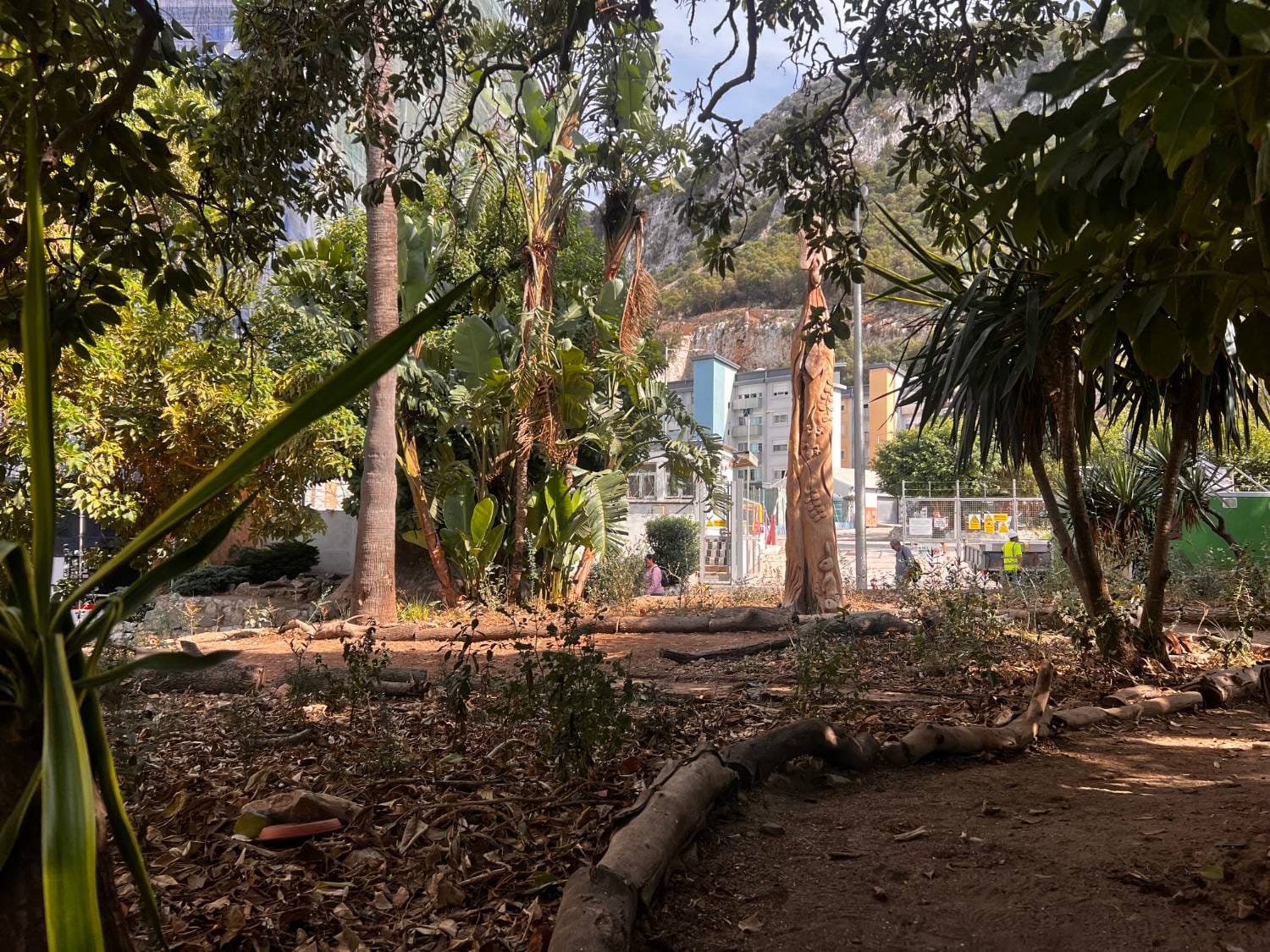
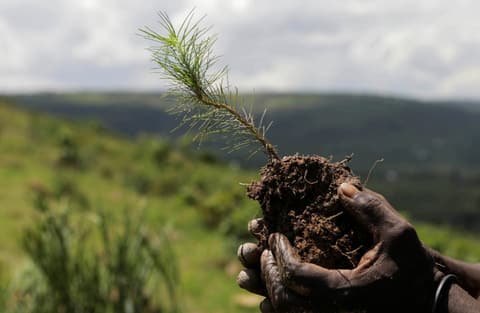
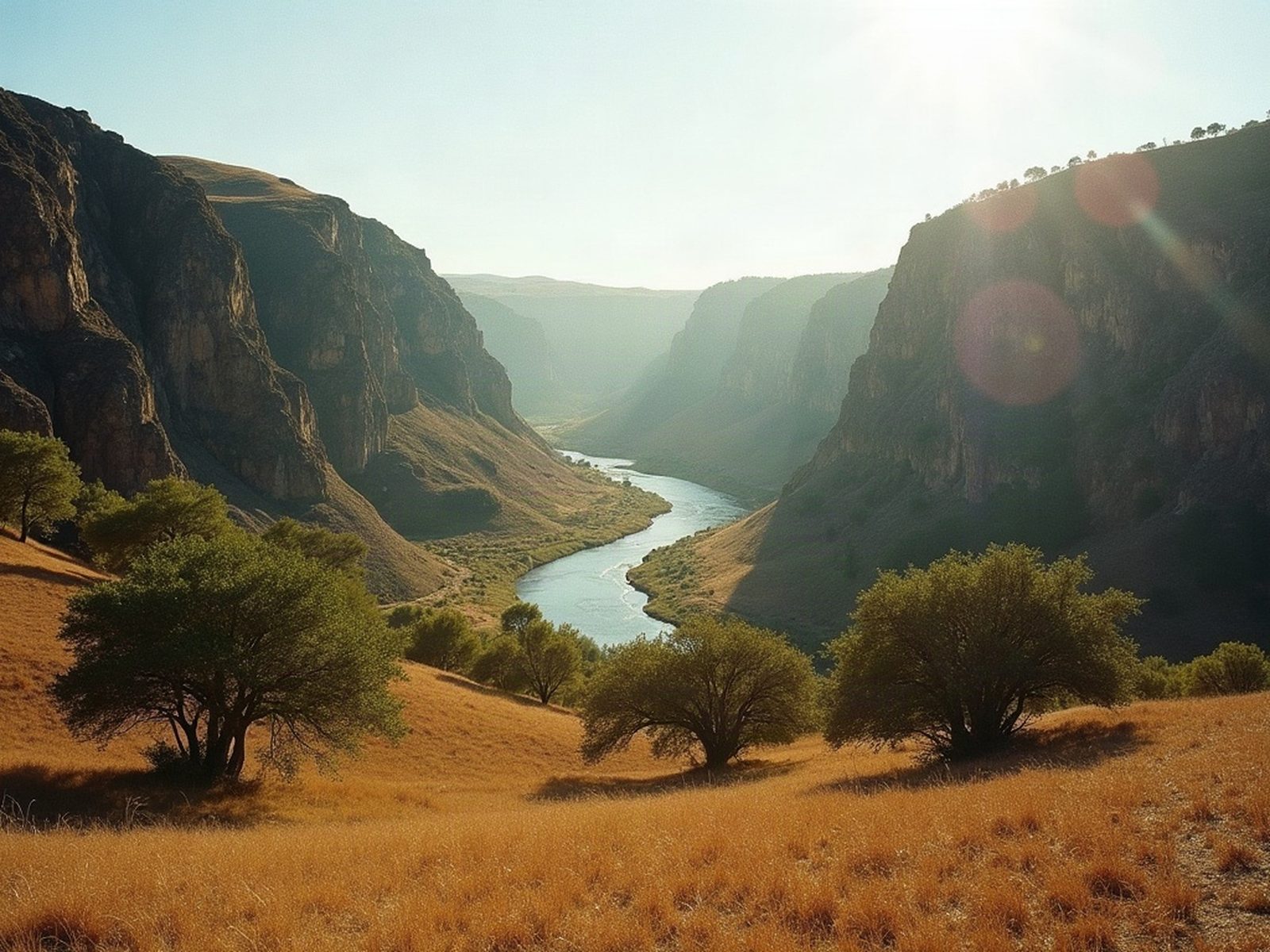
Gateways to the wild
By connecting urban nature with wild landscapes, MaP creates gateways to the wild, linking the places where people live with the ecosystems on which all life depends. A city patch is more than a place that receives funds: it is a space to experience and learn about the wild. Each patch becomes part of a wider living network, connecting habitats, communities, knowledge and resources.
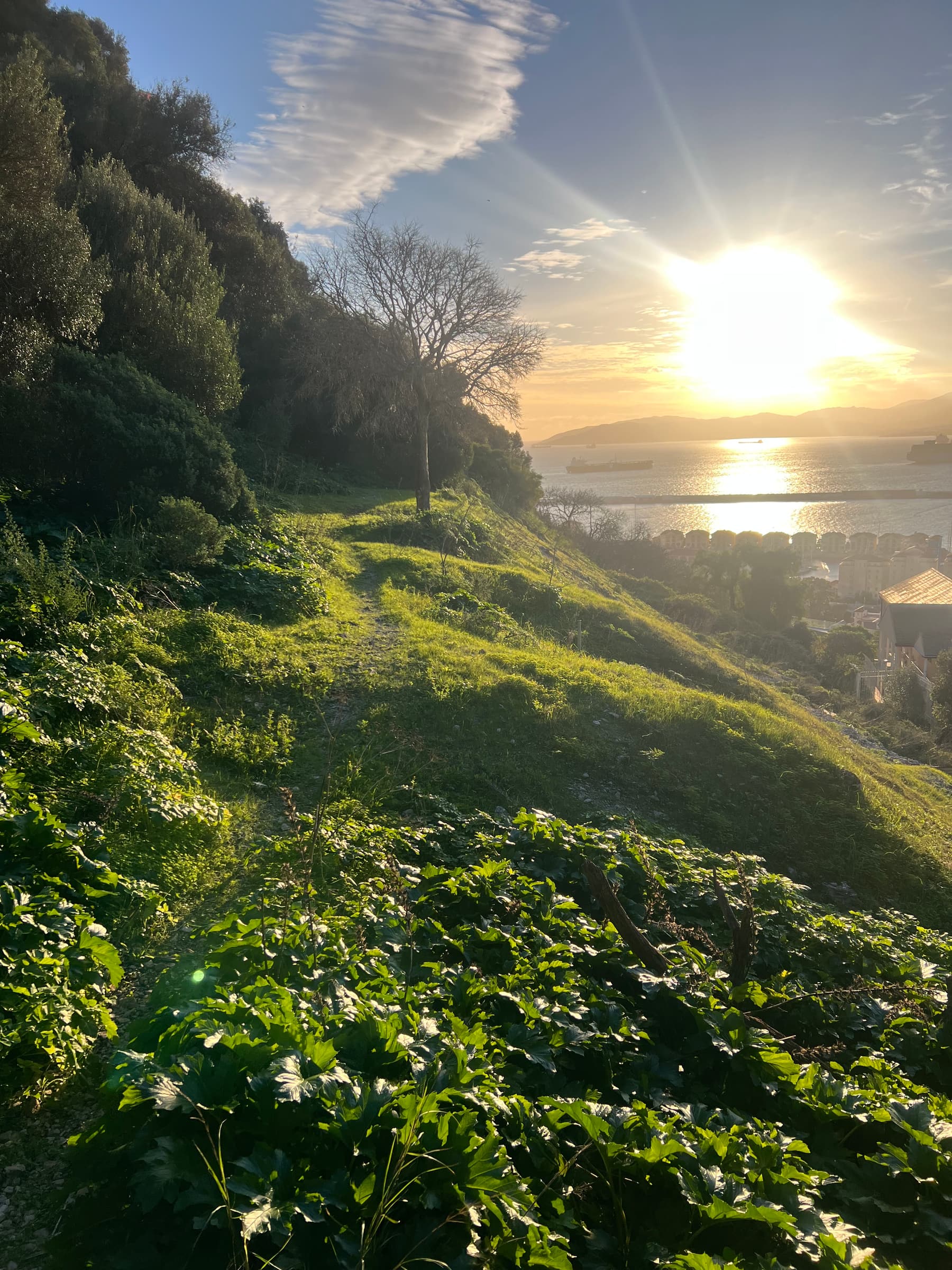
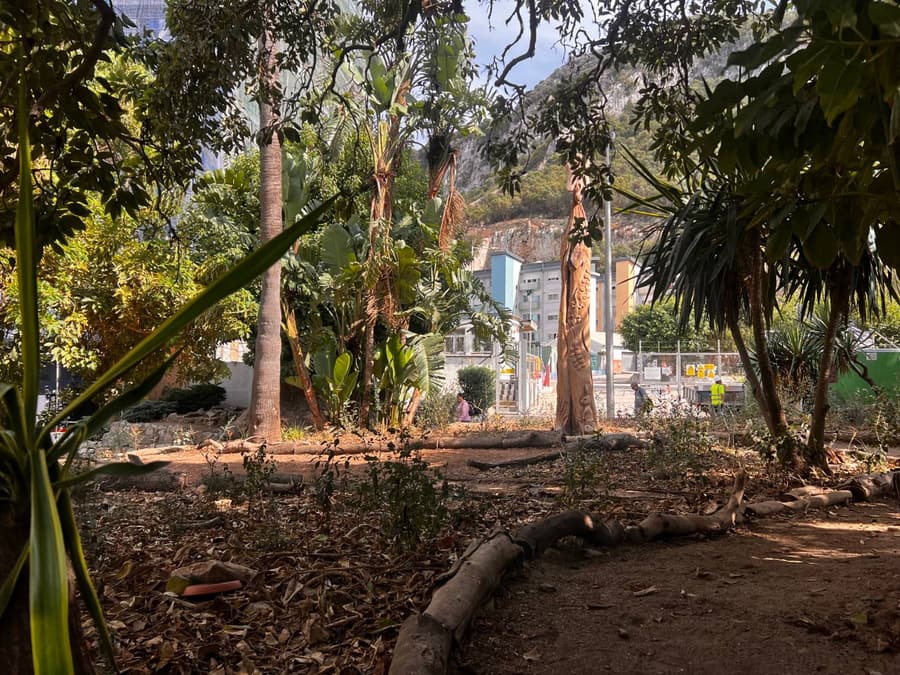
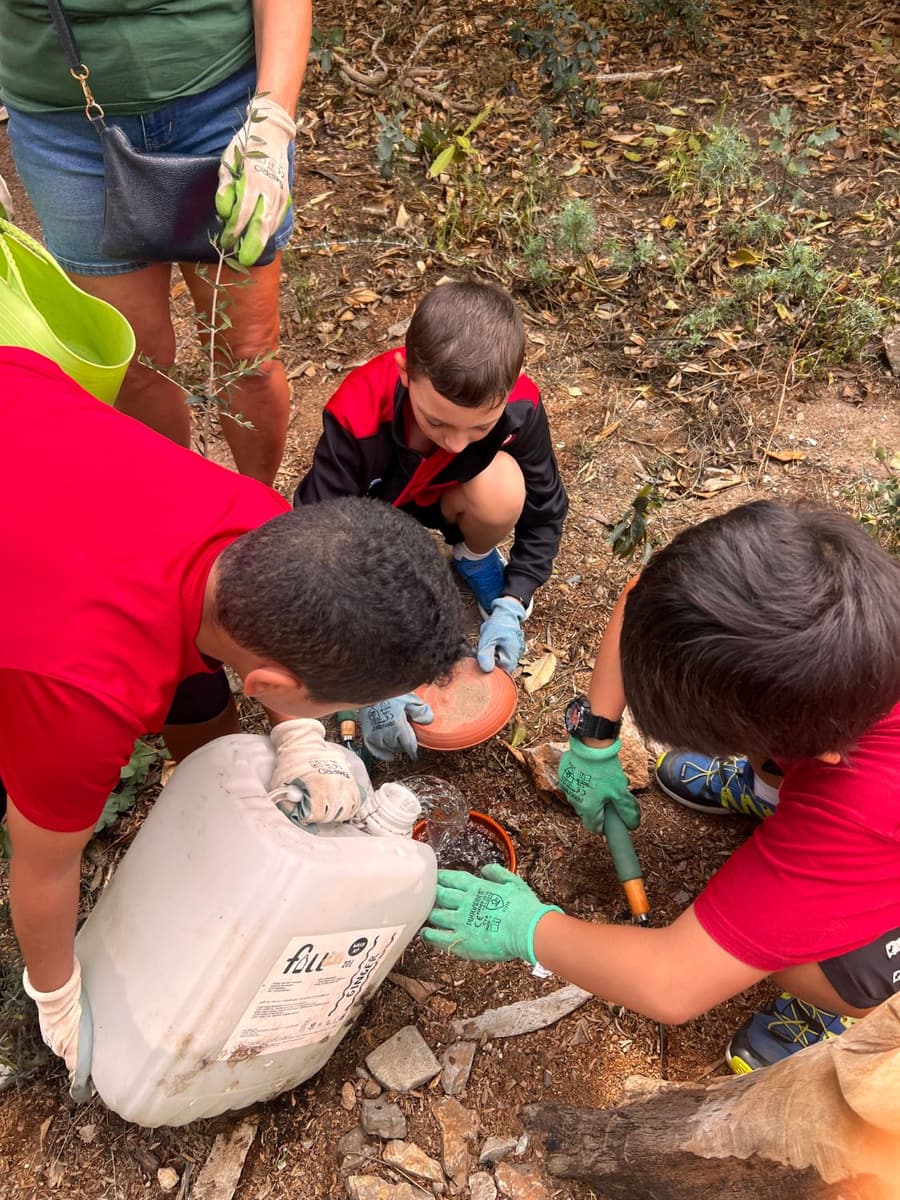
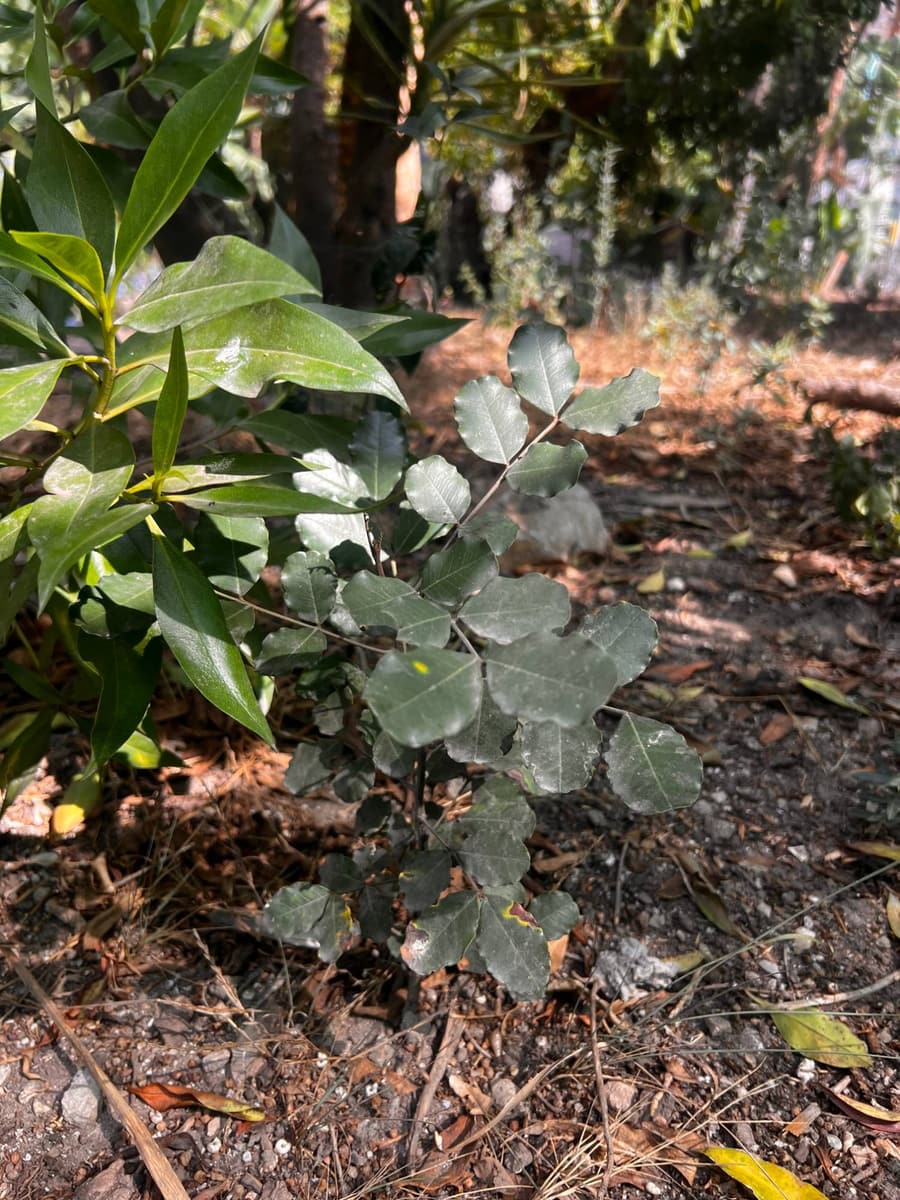
Gibraltar's first mini forest, at Landport. Photos: Whole Wild World.
Where it began
From a mini forest in Gibraltar to global restoration
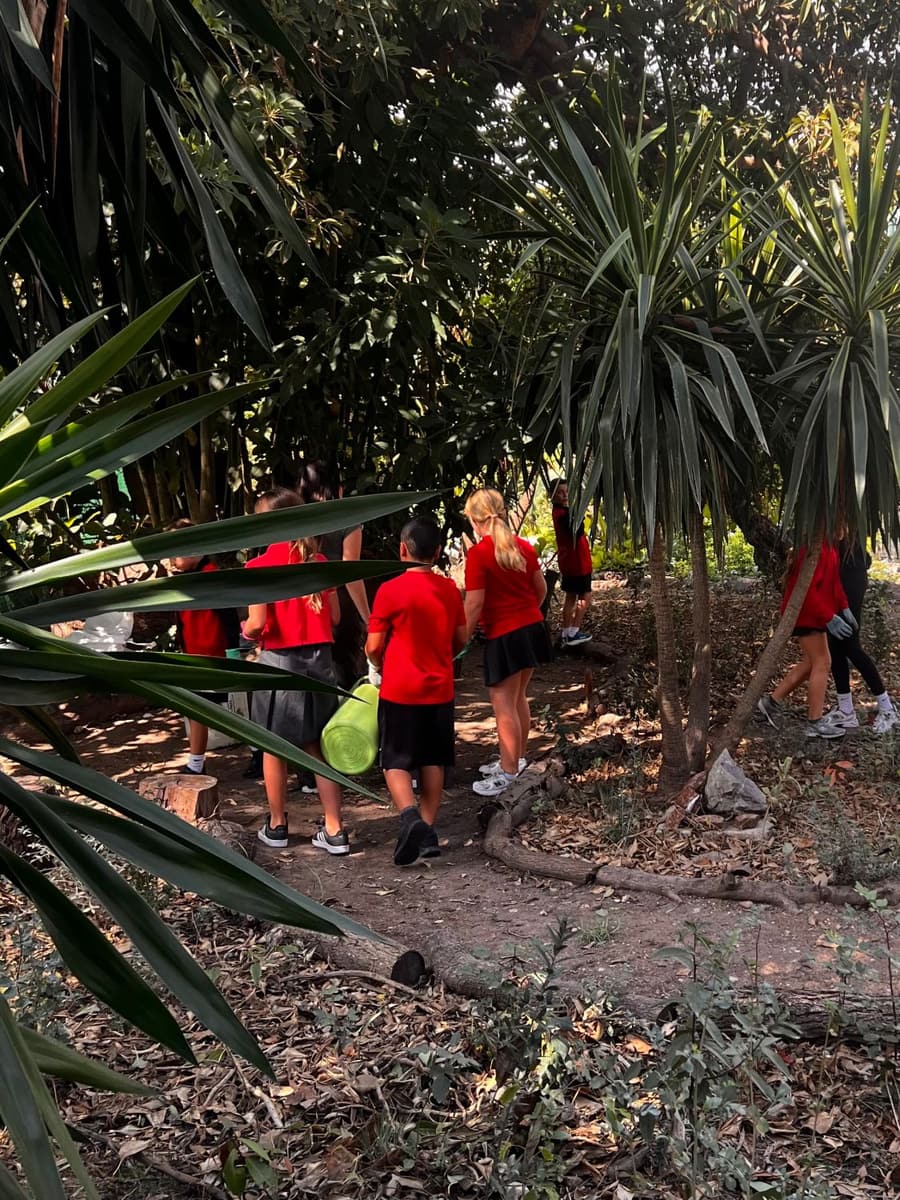
The idea started in Gibraltar, with the city's first mini forest at Landport. It ties each urban patch to a wild landscape, so one gift funds both sides of the same relationship, not one or the other. The Forest Guardians from St Ann's school help look after the young trees.
“Help us to make the whole world wild again.”
Whole Wild World
What MaP is for
Restoration is not a charitable transaction.
Match a Patch (MaP) challenges the belief that humans exist separately from nature and that ecological restoration is simply a charitable transaction.
We envision a future where communities recognise themselves as participants in living ecosystems, replacing extraction and disconnection with reciprocity, stewardship and regeneration.
Our model
Our model connects urban rewilding with the restoration of larger wild landscapes, allocating 50% of funding to each. This deliberately rejects the conventional approach of funding isolated, visible planting projects while overlooking the wider ecosystems sustaining biodiversity.
By bringing nature into everyday urban spaces, engaging communities in restoration and connecting them with landscapes beyond their immediate experience, MaP transforms passive donors into active stewards.
Our decentralised partnership model also challenges top-down conservation, recognising local knowledge, community leadership and ecological needs.
Ultimately, MaP seeks to shift restoration from something we fund to something we collectively belong to and take responsibility for.
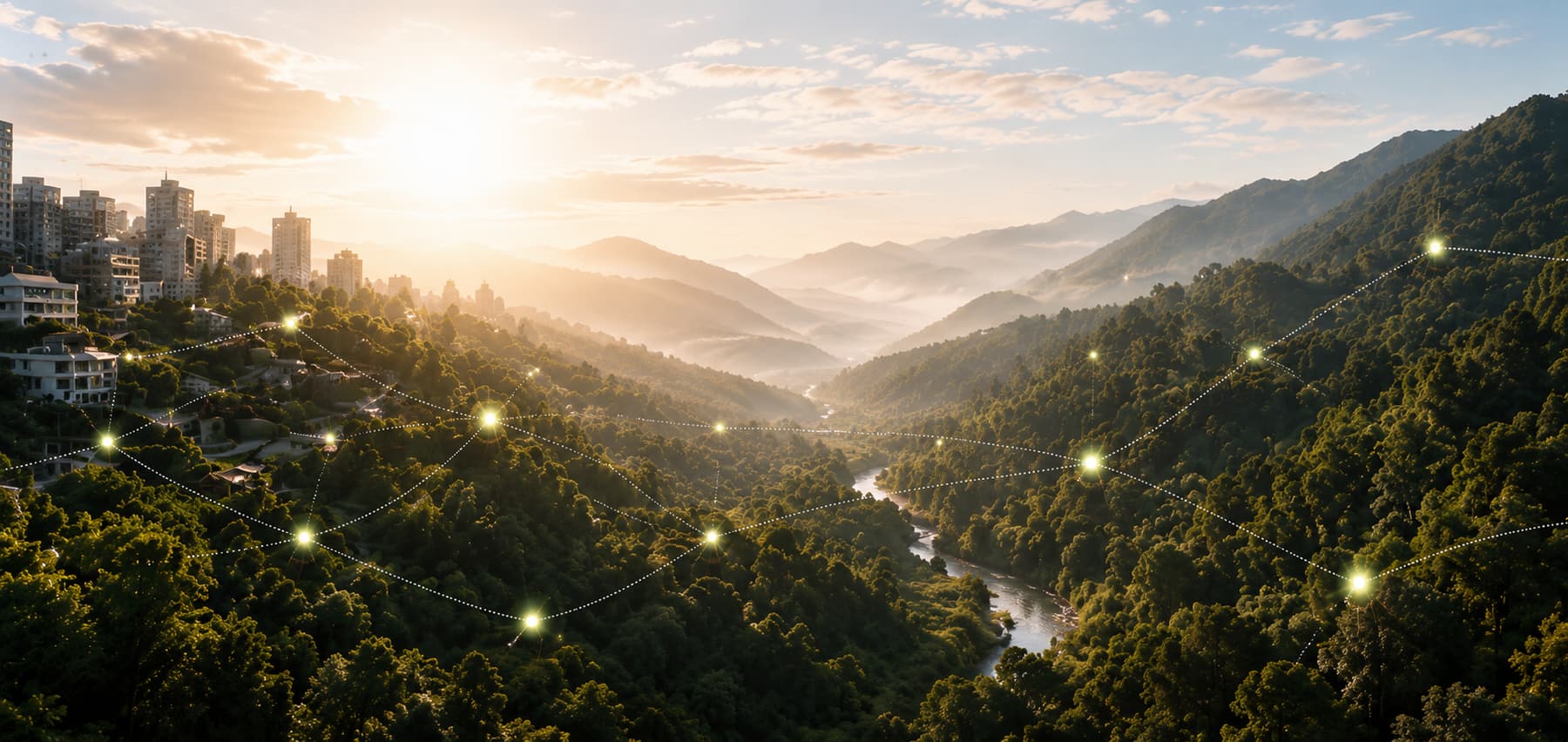
The impact extends beyond planting trees or restoring land. It brings fragmented efforts together, makes ecological connections visible, supports the people doing the work on the ground, and helps transform individual acts of giving into collective, lasting change.
One donation. Two connected worlds. A wider ecosystem of impact.
MaP doesn’t simply fund projects. It connects the dots that allow nature, people and the living world to thrive together.
Our ambition
To make MaP the world’s leading digital infrastructure for ecological regeneration, transforming restoration into a global movement powered by millions of individuals, businesses, schools, cities and conservation organisations.
By connecting thousands of urban rewilding projects with large-scale ecosystem restoration through our unique 50:50 funding model, MaP could unlock billions in regenerative funding, restore millions of hectares of degraded ecosystems and reconnect entire generations with nature.
Ultimately, we envision MaP becoming as accessible and widely used as everyday digital platforms, making ecological restoration something anyone, anywhere can participate in. Our goal is not simply to fund more conservation projects, but to fundamentally change how humanity finances, participates in and takes responsibility for restoring the living planet.
Growing with
-
 Whole Wild World (opens in a new tab)
-
 Eternal Forest (opens in a new tab)
-
Partnership in progress Being agreed
-
Partnership in progress Being agreed
-
 Treescape Planet Organisation (opens in a new tab)
-
 Urban Wilding (opens in a new tab)
More partners are joining. Bring yours in